Water damage is one of those problems most homeowners don’t think about until they’re standing in their kitchen looking at wet flooring, damaged cabinets, or water dripping through the ceiling.
But here’s an important question: Does homeowners insurance cover water damage?
The answer is yes, in many situations. However, not every type of water damage is covered. The biggest factor is often how the damage happened.
For homeowners throughout Polk County, Osceola County, and Highlands County, understanding the difference between a sudden plumbing issue, a gradual leak, and flooding can help you make more informed insurance decisions.
Whether you own a home in Lakeland, Winter Haven, Haines City, Davenport, Kissimmee, St. Cloud, Sebring, Avon Park, or Lake Placid, here’s what you should know about water damage and your homeowners insurance.
Does Homeowners Insurance Cover Water Damage?
Generally, homeowners insurance may cover water damage when it results from a sudden and accidental event involving a covered source of water, such as certain plumbing systems or household appliances.
For example, imagine a pipe suddenly bursts behind a wall in your Winter Haven home. Water begins spreading into the surrounding drywall, flooring, and cabinets.
Depending on your policy, the resulting damage may be covered.
However, insurance companies distinguish between unexpected damage and problems caused by ongoing maintenance issues, neglect, or gradual deterioration.
Your specific policy determines what is covered, what is excluded, and whether special limitations apply.
The Florida Office of Insurance Regulation explains that homeowners policies differ in the types of coverage they provide. This is why reviewing your actual policy matters more than assuming every homeowners policy offers the same protection.
1. What Types of Water Damage May Be Covered?
One of the most important things to understand is that homeowners insurance is generally designed to protect against certain unexpected losses, not every water-related problem.
Here are a few examples of situations that may qualify for coverage.
Sudden and Accidental Plumbing Leaks
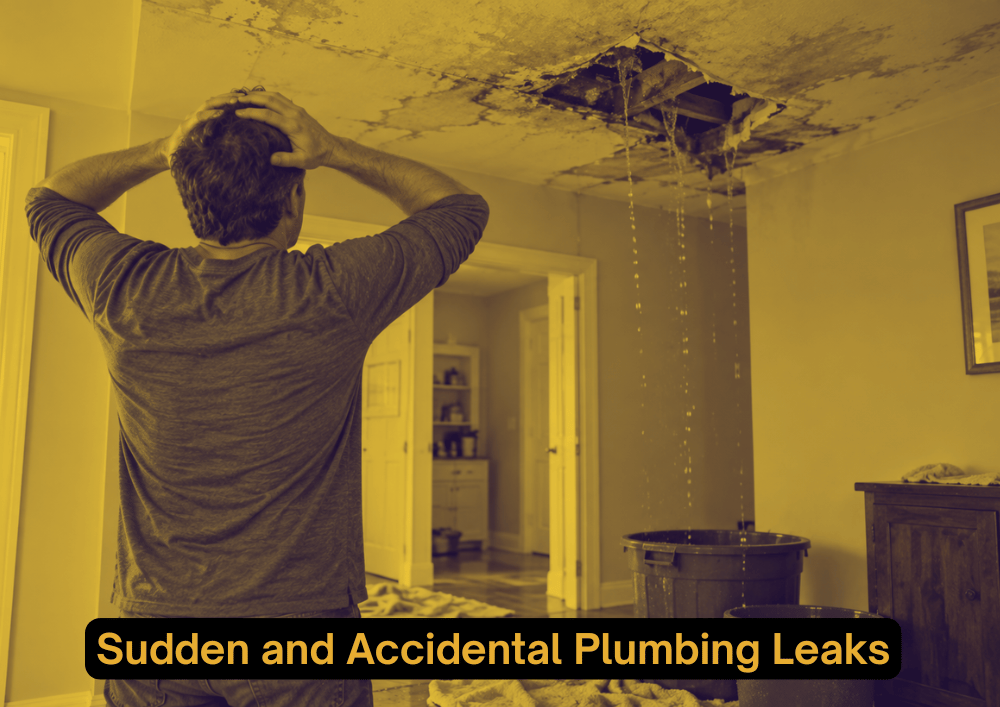
Let’s say a water supply line underneath your bathroom sink suddenly breaks while you’re away from home.
When you return, you discover water has damaged your flooring, vanity, and nearby drywall.
Depending on the cause of the leak and your policy language, the resulting damage may be covered.
Burst Pipes
A pipe that unexpectedly bursts can release a significant amount of water in a short period of time.
For example, a homeowner in Kissimmee may experience a plumbing failure that damages multiple rooms before the water can be shut off.
Homeowners policies commonly address sudden and accidental discharge from plumbing systems, subject to policy conditions and exclusions.
It’s important to understand that coverage for the resulting water damage does not necessarily mean the insurance company will pay to replace the pipe itself.
Appliance-Related Water Damage
Household appliances can also cause unexpected water damage.
Examples include:
- Washing machine supply hoses breaking.
- Dishwasher connections suddenly leaking.
- Water heater tanks failing.
- Refrigerator water lines breaking.
If an appliance suddenly releases water and damages your home, the resulting damage may qualify for coverage under your policy.
However, mechanical breakdown, wear and tear, and the cost of repairing the appliance itself may be treated differently.
2. When Is Water Damage NOT Covered?
This is where many homeowners get caught off guard.
Not all water damage is considered sudden or accidental. Some situations involve gradual damage, maintenance problems, or excluded causes of loss.
Gradual Plumbing Leaks
Imagine you have a small leak underneath your kitchen sink.
At first, you barely notice it. Over several weeks or months, moisture begins damaging the cabinets, flooring, and surrounding materials.
By the time you discover the problem, the damage is much more extensive.
Many homeowners policies exclude damage caused by continuous or repeated seepage or leakage over time.
The important distinction is that a sudden plumbing failure and a leak that has been developing for months may be handled very differently.
Lack of Maintenance
Homeowners insurance is not intended to replace routine home maintenance.
For example, if a homeowner ignores a deteriorating plumbing connection or fails to address an ongoing leak, resulting damage may be excluded.
Other examples of maintenance-related problems include:
- Deteriorating plumbing connections.
- Long-term moisture problems.
- Unaddressed roof leaks.
- Deteriorating seals around windows or doors.
- Ongoing water intrusion.
This is especially important for homeowners with older properties throughout Central Florida.
Taking care of small problems early can help prevent more expensive repairs later.
Mold and Moisture Issues
Mold is another concern following water damage.
Some homeowners policies provide limited coverage for mold when it results from a covered water loss, while others have specific exclusions, conditions, or dollar limitations.
For example, if a sudden covered plumbing leak causes water damage and mold develops afterward, your policy may provide some protection depending on its terms.
However, mold resulting from long-term moisture, neglected maintenance, or excluded water damage may not be covered.
Never assume mold remediation is automatically included. Review your policy’s mold and fungi provisions.
3. Does Homeowners Insurance Cover Flood Damage in Florida?
This is one of the most important distinctions for Florida homeowners.
Standard homeowners insurance generally does not cover flood damage.
Flooding is typically addressed through a separate flood insurance policy.
For example, imagine heavy rainfall causes water to accumulate around your property in Davenport. The water rises and enters your home, damaging your flooring, furniture, and other belongings.
That situation may be considered flood damage rather than a covered plumbing loss.
Flooding can occur for several reasons, including:
- Heavy rainfall.
- Overflowing lakes or rivers.
- Storm surge.
- Rising surface water.
- Runoff accumulating around properties.
Central Florida homeowners sometimes assume they don’t need flood insurance because they aren’t located near the coast.
However, inland communities can experience flooding too.
Homes throughout Polk County, Osceola County, and Highlands County can face water-related risks depending on their elevation, drainage, surrounding waterways, and weather conditions.
Do I Need Flood Insurance If I’m Not in a Flood Zone?
Even if your property is not located in a designated high-risk flood zone, flooding can still happen.
The Florida Office of Insurance Regulation recognizes that moderate- and low-risk areas can experience flooding.
Flood insurance may be worth considering even if your mortgage company doesn’t require it.
You can check your property’s flood risk using FEMA’s Flood Map Service Center.
Remember that flood insurance is subject to its own coverage limits, definitions, exclusions, and waiting periods.
4. What About Water Backing Up Through Drains or Toilets?
Another situation homeowners should understand is water backup.
Imagine you flush a toilet or run your washing machine, and water begins backing up through a drain or plumbing fixture.
Or perhaps a sewer line becomes blocked, causing wastewater to enter your home.
Standard homeowners policies do not typically provide coverage for every type of sewer or drain backup.
Some insurance companies offer an optional water backup endorsement that can provide additional protection for certain losses.
This coverage may apply to water backing up through a sewer, drain, or sump system, depending on the endorsement.
It is important to understand that water backup coverage is not the same as flood insurance.
For homeowners in Lakeland, Haines City, Sebring, and surrounding communities, this is worth discussing during a homeowners insurance review.
Ask your insurance agent whether water backup coverage is available and what limits apply.
5. What Should You Do If You Discover Water Damage?
If you discover water damage in your home, taking the right steps can help protect your property and make the claims process easier.
Here are some practical steps to follow.
Step 1: Stop the Source of Water
If possible and safe, shut off the water supply to prevent additional damage.
For significant plumbing problems, contact a qualified plumber.
Step 2: Document the Damage
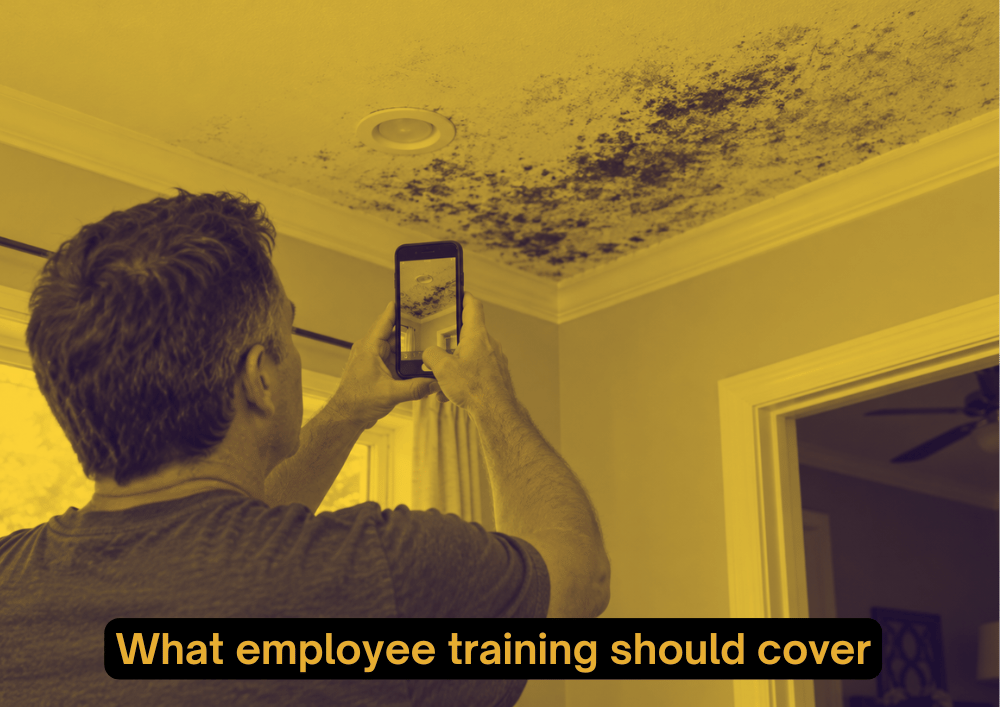
Take photographs and videos of the affected areas before removing damaged materials or belongings, when safe to do so.
Document:
- Damaged flooring and walls.
- Cabinets and countertops.
- Personal belongings.
- The apparent source of the water.
- Any visible moisture or standing water.
Keep receipts for emergency repairs and expenses.
Step 3: Prevent Further Damage
Take reasonable steps to protect your property from additional damage.
This may include arranging emergency plumbing repairs, water removal, or professional drying services.
Do not put yourself at risk to protect your property.
Step 4: Contact Your Insurance Company
Report the incident promptly and follow your insurer’s instructions.
Be prepared to explain when you discovered the damage, what happened, and what steps you took to prevent additional damage.
Your insurance company will investigate the circumstances and determine whether the loss qualifies for coverage.
Step 5: Review Your Policy
Your policy determines the applicable coverage, deductible, exclusions, and limitations.
If you have questions about the claim or what your policy includes, contact your insurance agent or insurance company.
6. What Central Florida Homeowners Should Review Before Water Damage Happens
Living in Florida means preparing for more than just hurricanes.
Heavy rainfall, plumbing problems, drainage concerns, and unexpected household leaks can all create expensive problems for homeowners.
Whether you own a home in Polk County, Osceola County, or Highlands County, here are a few things worth reviewing.
Dwelling Coverage
Your dwelling coverage is designed to protect the insured structure against covered losses. Make sure your coverage amount reflects the estimated cost to rebuild your home, not simply its current market value.
Construction labor and material costs can change, so reviewing your dwelling coverage regularly is important.
Personal Property Coverage
Water damage can affect more than your walls and flooring. Furniture, electronics, clothing, and other personal belongings may also be damaged.
Review your personal property limits and understand whether your belongings are insured at replacement cost or actual cash value.
Water Backup Coverage
Ask whether your policy includes or offers an endorsement for water backup and sump discharge or overflow.
Flood Insurance
If you do not currently have flood insurance, consider whether a separate flood policy makes sense for your property.
Deductibles and Policy Exclusions
Understand your homeowners deductible and any specific water damage exclusions or limitations.
A policy review is a good opportunity to identify potential coverage gaps before an unexpected loss occurs.
Common Homeowners Insurance Mistakes to Avoid
Here are some common assumptions that can create problems for homeowners.
- Assuming every water leak is covered. The cause and timing of the leak matter.
- Confusing water damage with flood damage. These are not necessarily covered under the same policy.
- Ignoring small plumbing leaks. Minor leaks can develop into much larger maintenance problems.
- Assuming mold is always covered. Mold coverage may have specific exclusions and limitations.
- Forgetting about water backup coverage. This may be an optional endorsement.
- Waiting until after a loss to review coverage. Additional protection generally cannot be purchased retroactively to cover an existing loss.
Action Steps: How to Prepare Your Home
You don’t have to wait for a water damage claim to start protecting your property.
Here are a few things you can do today:
- Inspect visible plumbing connections underneath sinks.
- Check washing machine supply hoses.
- Look for signs of moisture around water heaters.
- Address roof leaks and damaged seals promptly.
- Know where your main water shutoff valve is located.
- Keep photographs or videos of your home’s interior and belongings.
- Review your dwelling and personal property coverage.
- Ask about water backup coverage.
- Consider separate flood insurance.
- Schedule a homeowners insurance policy review.
Taking these steps can help you identify potential problems before they become more expensive.
Frequently Asked Questions About Water Damage and Homeowners Insurance
1. Does homeowners insurance cover a burst pipe?
It may. Many homeowners policies cover resulting water damage from a sudden and accidental plumbing failure. However, coverage depends on the policy, circumstances, maintenance requirements, and applicable exclusions. The cost to repair the failed pipe itself may not be covered.
2. Does homeowners insurance cover a leaking water heater?
It may cover resulting water damage if the leak was sudden and accidental and qualifies under the policy. However, replacing an old or deteriorated water heater due to wear and tear is generally not covered as a routine maintenance expense.
3. Does homeowners insurance cover water damage from heavy rain?
It depends on how the water entered the home. Damage from certain covered events, such as wind-driven rain through a storm-created opening, may be covered subject to policy terms. Flooding from rising surface water is generally excluded from standard homeowners insurance and requires separate flood coverage.
4. Does homeowners insurance cover mold caused by a water leak?
Sometimes. If mold results from a covered water loss, your policy may provide limited coverage, depending on its exclusions and mold-related limits. Mold resulting from ongoing moisture or neglected maintenance may not be covered.
5. Do I need flood insurance in Polk, Osceola, or Highlands County?
Flood insurance may be worth considering regardless of whether your property is in a high-risk flood zone. Central Florida properties can experience flooding from heavy rainfall, runoff, and overflowing waterways. A flood risk assessment and conversation with your insurance agent can help you determine your options.
Protect Your Home With the Right Insurance Coverage
Water damage can happen when you least expect it, and understanding your homeowners insurance before something happens can make a significant difference.
From sudden plumbing failures to gradual leaks and Florida flooding, knowing how your policy responds is an important part of protecting your home and finances.
At Wise Insurance, we help homeowners throughout Polk County, Osceola County, Highlands County, and surrounding Central Florida communities understand their personal insurance options.
Whether you’re in Lakeland, Winter Haven, Haines City, Davenport, Kissimmee, St. Cloud, Sebring, Avon Park, or Lake Placid, we’re here to help you review your homeowners insurance and identify coverage options that fit your needs.
Have questions about your homeowners insurance or want to review your current coverage?
Contact Wise Insurance today!
Call 863-534-3431 to discuss your homeowners insurance coverage.
Follow Wise Insurance for more tips, tricks, and insurance insights!
Insurance coverage varies by carrier and policy. All coverage is subject to the actual policy terms, conditions, exclusions, deductibles, and limitations. This article is for educational purposes and does not guarantee coverage for any particular loss.