When shopping for auto insurance, it’s easy to focus on one thing: finding the lowest monthly payment.
But have you ever stopped to consider how much insurance you actually have if you cause a serious accident?
Many Florida drivers carry the minimum required coverage without fully understanding what their policy protects them against. While meeting the state’s insurance requirements is important, those minimum limits may not provide enough financial protection for every driver.
Whether you’re commuting through Lakeland, driving around Kissimmee, or traveling through Sebring, understanding your auto liability limits is an important part of protecting your finances.
So, how much auto liability insurance do you need in Florida? Let’s break down the coverages, explain what the numbers mean, and discuss why higher limits may be worth considering.
What Is Auto Liability Insurance?
Auto liability insurance helps protect you financially when you’re legally responsible for injuries or property damage caused by an accident involving your vehicle.
There are two primary types of liability coverage:
- Bodily Injury Liability (BIL)
- Property Damage Liability (PDL)
Although they both provide liability protection, they cover different types of losses.
What Is Bodily Injury Liability?
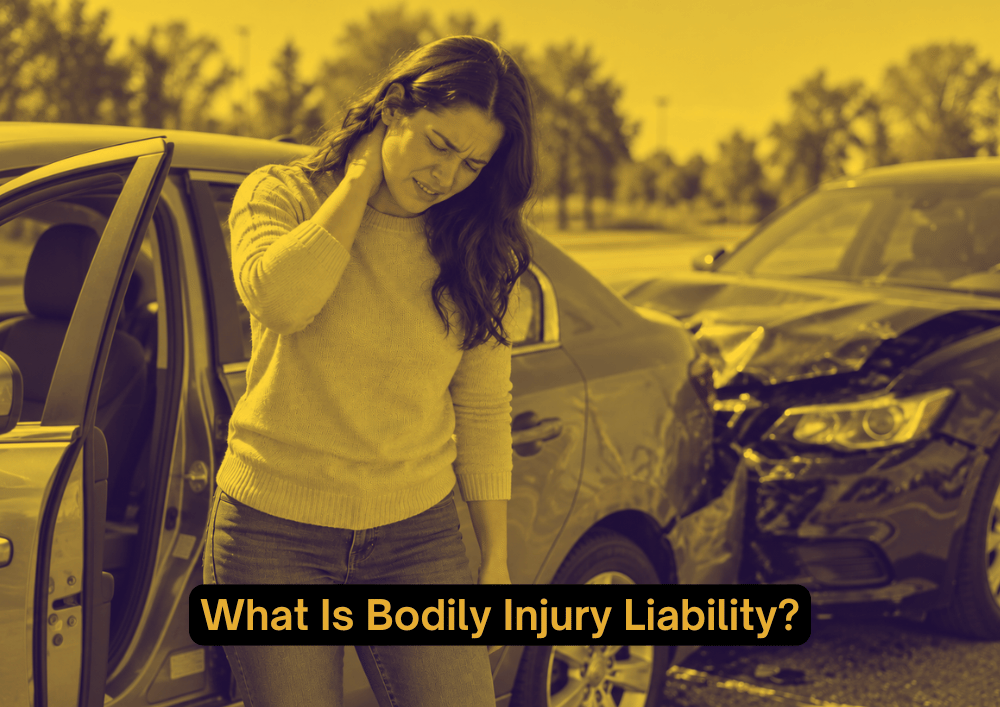
Bodily Injury Liability helps cover certain expenses when you are legally responsible for injuring another person in an auto accident.
Depending on the circumstances and policy, this may include:
- Medical expenses.
- Lost wages.
- Certain legal expenses.
- Compensation for covered injuries or damages.
For example, imagine you’re driving through Winter Haven and accidentally cause an accident involving another vehicle. The other driver sustains injuries and requires medical treatment.
If you’re legally responsible, Bodily Injury Liability may help cover the damages up to your policy limits.
Without sufficient liability coverage, you could face personal financial exposure if the amount you’re legally responsible for exceeds your insurance limits.
What Is Property Damage Liability?
Property Damage Liability helps pay for damage you cause to someone else’s property when you’re legally responsible for an accident.
This can include:
- Another person’s vehicle.
- A fence or mailbox.
- A building or structure.
- Other damaged property.
For example, let’s say you accidentally hit another vehicle in a parking lot in Davenport. The other vehicle has significant damage and needs repairs.
Your Property Damage Liability coverage may help pay for those damages, subject to your policy limits and terms.
It’s important to remember that Property Damage Liability does not pay to repair your own vehicle. Collision coverage is generally the coverage to look at for damage to your own vehicle caused by a collision, subject to your deductible and policy terms.
What Are Florida’s Minimum Auto Insurance Requirements?
Florida’s basic insurance requirements for most registered personal vehicles include:
- $10,000 in Personal Injury Protection (PIP).
- $10,000 in Property Damage Liability (PDL).
PIP helps cover certain medical expenses and lost wages following a covered auto accident, regardless of who caused the accident. Property Damage Liability addresses damage you cause to another person’s property.
One important detail: Bodily Injury Liability is generally not required for every driver under Florida’s basic registration requirements.
However, certain drivers may have additional financial responsibility requirements. For example, drivers subject to specific DUI-related requirements may need higher Bodily Injury and Property Damage limits.
Florida’s minimum requirements are a starting point for legal compliance, not necessarily a recommendation for how much insurance you should carry.
You can review the requirements through the Florida Department of Financial Services and Florida Statutes.
Why Might Florida’s Minimum Limits Not Be Enough?
Here’s where drivers should start thinking beyond the minimum requirements.
Imagine you’re traveling on a busy roadway in Kissimmee or Lakeland and cause an accident involving multiple vehicles.
One person suffers serious injuries, another requires medical treatment, and several vehicles are damaged.
The expenses can add up quickly.
If your liability coverage is lower than the amount you’re legally responsible for, you could potentially be responsible for the difference.
This is especially important for people who have worked hard to build financial stability.
Consider what you may have to protect:
- Your home.
- Personal savings.
- Investments.
- Other personal assets.
- Future income.
Carrying higher liability limits may help provide additional protection against covered claims, although no policy eliminates every financial or legal risk.
Understanding Auto Liability Limits: 50/100 vs. 100/300
When reviewing auto insurance quotes, you may see numbers such as 25/50, 50/100, or 100/300.
These numbers represent the limits of your Bodily Injury Liability coverage.
Here’s how they work:
50/100 Bodily Injury Liability
- $50,000 maximum for bodily injury to one person in an accident.
- $100,000 maximum total for bodily injury to multiple people in one accident.
100/300 Bodily Injury Liability
- $100,000 maximum for bodily injury to one person in an accident.
- $300,000 maximum total for bodily injury to multiple people in one accident.
For example, if you carry 100/300 coverage and cause an accident involving two injured individuals, the policy can pay up to $100,000 for each person’s covered bodily injury damages, subject to the $300,000 accident limit.
Property Damage Liability is separate.
You might see a policy written as 100/300/100. This generally means:
- $100,000 per person in Bodily Injury Liability.
- $300,000 per accident in Bodily Injury Liability.
- $100,000 per accident in Property Damage Liability.
These are examples of coverage limits, not guarantees that a particular claim will be paid in full.
How Much Auto Liability Insurance Should You Carry?
There isn’t one perfect liability limit for every driver.
The right amount depends on your financial situation, personal assets, household responsibilities, driving habits, and budget.
However, here are some coverage options worth discussing with your insurance agent.
Consider 50/100/50 or Higher
For drivers looking beyond minimum coverage, 50/100/50 can be one option to compare.
It provides more liability protection than a policy carrying only basic Property Damage Liability limits.
Consider 100/300/100
For homeowners and drivers with savings or other assets, 100/300/100 is another option worth reviewing.
It provides higher per-person, per-accident, and property damage limits.
Consider an Umbrella Policy
If you have significant assets or want additional liability protection, an umbrella insurance policy may be worth discussing.
An umbrella policy can provide additional liability protection above certain underlying insurance policies when its requirements are met.
For example, a homeowner in Highlands County may want to review their auto liability limits alongside their homeowners liability coverage.
Keep in mind that umbrella policies have eligibility requirements and generally require certain minimum underlying liability limits.
Don’t Forget About Uninsured and Underinsured Motorist Coverage
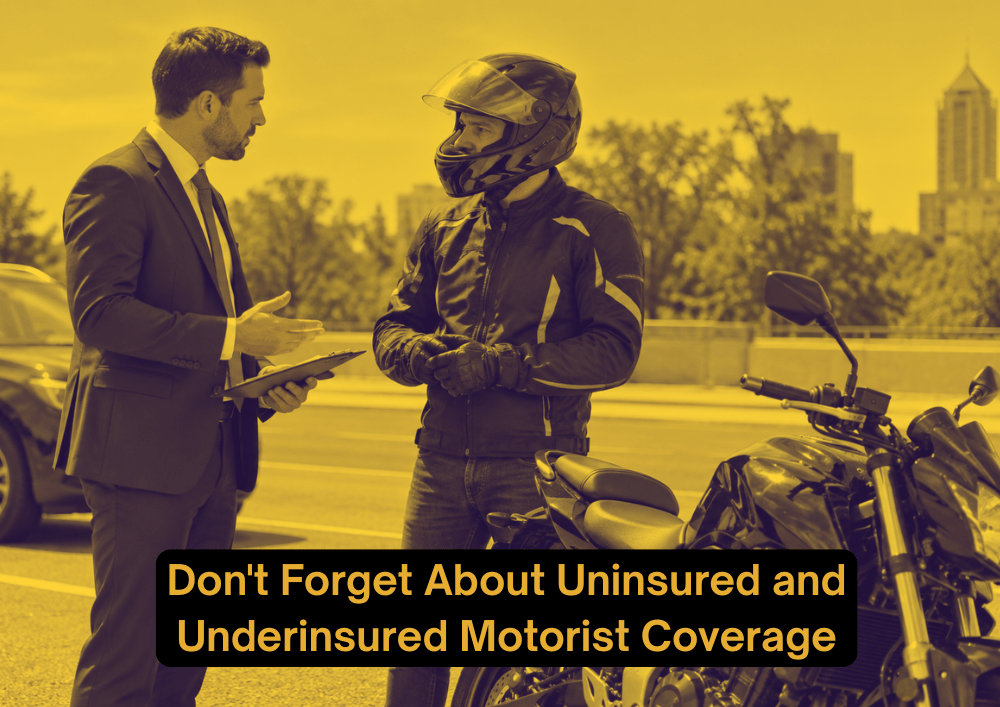
Another important coverage to consider is Uninsured/Underinsured Motorist Coverage, commonly called UM/UIM.
This coverage can help protect you and eligible insured individuals if you’re injured in an accident caused by someone who has no Bodily Injury Liability insurance or insufficient liability limits.
Why does this matter in Florida?
Not every driver carries the same level of insurance, and some drivers may have no Bodily Injury Liability coverage at all.
Imagine you’re involved in an accident in Polk County and the other driver is responsible for your injuries but doesn’t have enough insurance to cover your damages.
Depending on your policy, UM/UIM coverage may help with covered bodily injury damages.
When reviewing your auto policy, ask your agent about available UM limits and whether stacked or non-stacked coverage is appropriate for your situation.
Why Central Florida Drivers Should Review Their Coverage
Whether you live in Polk County, Osceola County, or Highlands County, your insurance needs should reflect your personal circumstances.
Think about how you use your vehicle.
Do you commute every day? Do you regularly travel between counties? Do you have a newer vehicle or a household with multiple drivers?
Drivers in Lakeland, Winter Haven, Haines City, Davenport, Kissimmee, St. Cloud, Sebring, Avon Park, and Lake Placid all share the roads with other motorists every day.
A serious accident can happen on a familiar neighborhood road just as easily as on a busy highway.
If you own a home, have savings, or have other financial responsibilities, your auto liability coverage deserves attention.
Your homeowners insurance and auto insurance should also be considered together when reviewing your overall personal liability protection.
Common Auto Insurance Mistakes to Avoid
Here are some common mistakes drivers make when selecting liability limits.
- Choosing insurance based only on price. A lower premium may mean less protection.
- Assuming Florida’s minimum requirements are enough. Meeting legal requirements doesn’t automatically mean your coverage matches your financial needs.
- Confusing Bodily Injury and Property Damage. These cover different types of liability.
- Forgetting about uninsured motorists. UM coverage may provide important protection if an uninsured or underinsured driver injures you.
- Not reviewing coverage after purchasing a home. Your financial situation may have changed.
- Assuming an umbrella policy automatically covers everything. Underlying coverage requirements and exclusions matter.
Action Steps: How to Review Your Auto Liability Coverage
Not sure what limits you currently carry? Here’s where to start.
- Find your current auto insurance declarations page.
- Locate your Bodily Injury Liability limits.
- Check your Property Damage Liability limits.
- Review your Uninsured/Underinsured Motorist Coverage.
- Consider your home, savings, and other financial responsibilities.
- Compare the cost of 50/100/50 and 100/300/100 coverage.
- Ask whether an umbrella policy makes sense for your situation.
- Review your coverage with a licensed insurance professional.
Sometimes, increasing your liability limits may cost less than you expect. It’s worth comparing the premium difference rather than automatically choosing the lowest available limits.
Frequently Asked Questions About Auto Liability Insurance
1. What is the minimum auto liability insurance required in Florida?
For most registered personal vehicles, Florida’s basic requirements include $10,000 in Personal Injury Protection and $10,000 in Property Damage Liability. Bodily Injury Liability is generally not required for every driver under the basic registration requirements, although special financial responsibility rules apply to certain drivers.
2. Is 100/300 auto insurance enough?
A 100/300 policy provides $100,000 per person and $300,000 per accident in Bodily Injury Liability. It may be an appropriate option for some drivers, but whether it’s enough depends on your assets, financial circumstances, and potential exposure. You may also want to consider higher limits or umbrella coverage.
3. What happens if I cause an accident and my liability limits aren’t enough?
If you’re legally responsible for damages that exceed your applicable insurance limits, you could potentially be personally responsible for the remaining amount. The outcome depends on the circumstances, applicable law, and any other available sources of coverage.
4. Does auto liability insurance cover my own vehicle?
No. Bodily Injury and Property Damage Liability generally address your legal responsibility for injuries or damage to others. Collision and Comprehensive coverage are the primary coverages to consider for physical damage to your own vehicle.
5. Should homeowners carry higher auto liability limits?
Homeowners should consider how an auto accident could affect their overall financial situation. Higher liability limits and an umbrella policy may provide additional protection, depending on eligibility, policy terms, and individual needs. Owning a home doesn’t automatically mean you need a particular limit, but it’s a good reason to review your coverage.
Protect What You’ve Worked Hard For With Wise Insurance
Choosing auto insurance shouldn’t be just about finding the lowest monthly payment. It’s about understanding what your policy covers and making sure your liability limits make sense for your financial situation.
From Bodily Injury Liability and Property Damage Liability to Uninsured Motorist Coverage and umbrella insurance, having the right conversations about your coverage can make a difference.
At Wise Insurance, we help drivers throughout Polk County, Osceola County, Highlands County, and surrounding Central Florida communities review their personal auto insurance options.
Whether you’re in Lakeland, Winter Haven, Haines City, Davenport, Kissimmee, St. Cloud, Sebring, Avon Park, or Lake Placid, we’re here to help you understand your coverage options.
Not sure what liability limits you’re currently carrying? Let’s take a look.
Call Wise Insurance at 863-534-3431 to discuss an auto insurance policy review.
Follow Wise Insurance for more tips, tricks, and insurance insights!
Insurance coverage is subject to the terms, conditions, exclusions, deductibles, and limitations of the individual policy. This article is for educational purposes and does not constitute legal or financial advice.