Water damage is one of the most frustrating problems an HVAC contractor can face because it often starts small.
A clogged condensate drain line. A float switch that was never tested. A rusted drain pan. A loose fitting. A customer who declined maintenance. A technician who noticed a warning sign but did not document it.
Then a few days or weeks later, the homeowner calls. There is water in the ceiling. The flooring is damaged. Cabinets are swollen. Mold is a concern. The customer wants answers.
For HVAC contractors in Polk County, Osceola County, and Highlands County, this is a real business risk. Systems in Central Florida work hard because of heat, humidity, long cooling seasons, and high moisture levels. From Lakeland and Winter Haven to Kissimmee, St. Cloud, Sebring, Avon Park, Lake Placid, Haines City, and Davenport, HVAC contractors need strong water damage prevention processes.
Preventing water damage claims is not just about technical work. It is about inspection habits, installation quality, documentation, customer communication, and follow-up.
Why HVAC Water Damage Happens
HVAC water damage usually happens when condensation is not properly managed.
Air conditioning systems remove moisture from indoor air. That moisture collects and drains away through the condensate system. When everything is working correctly, the homeowner never thinks about it.
When something goes wrong, that water can back up, overflow, or leak into the home.
For Central Florida HVAC contractors, this risk is higher because systems often run for long hours during hot and humid conditions. More runtime means more condensation. More condensation means more opportunity for clogs, overflow, and damage.
Common HVAC Water Damage Sources
The most common sources include clogged condensate drain lines, cracked or rusted drain pans, disconnected drain lines, poor drain slope, failed float switches, missing secondary drain protection, improper installation, and lack of maintenance.
In many cases, the water damage is not caused by one dramatic failure. It is caused by a small problem that was not caught, corrected, or documented.
The Drain Line Is One of the Biggest Risk Points
The condensate drain line is one of the first places HVAC contractors should focus.
In humid markets like Lakeland, Winter Haven, Kissimmee, St. Cloud, Sebring, and Davenport, condensate lines can clog with algae, sludge, dirt, and debris. Once that line is restricted, water may back up into the drain pan or overflow into the surrounding structure.
A clogged drain line can damage drywall, insulation, framing, flooring, and cabinets. In an attic installation, the damage may not be noticed right away. By the time the homeowner sees a stain on the ceiling, the issue may already be significant.
What HVAC Contractors Should Do
Technicians should inspect the drain line on maintenance visits, clear the line when needed, confirm proper drainage, and document the condition. If the drain line is showing repeated clogging issues, the customer should receive a clear recommendation.
The key is not only doing the work. The key is proving the work was done.
A service invoice that says “checked unit” is weak documentation. A note that says “cleared condensate drain line, tested drainage, inspected pan, no overflow observed at time of visit” is much stronger.
Photos make it even better.
Float Switches and Overflow Protection Matter
Float switches are simple, but they are one of the most important defenses against HVAC water damage.
A properly installed and tested float switch can shut down the system before water overflows. But if the switch is missing, bypassed, installed incorrectly, or never tested, it will not protect the property.
For contractors working in homes across Polk County, Osceola County, and Highlands County, this should be part of the standard inspection process.
Test and Document
The technician should test the float switch, confirm the system responds properly, note the condition, and document any recommendation. If a float switch is missing and should be installed, the customer should receive a written recommendation.
If the customer declines, that needs to be documented clearly.
This is important because if water damage occurs later, the contractor needs a record showing that the issue was identified and communicated.
Installation Details Can Create or Prevent Claims
Not all HVAC water damage comes from maintenance issues. Some problems begin at installation.
Poor drain line slope, loose fittings, unsealed connections, unsupported lines, improper trap setup, undersized secondary pans, and poor attic installation practices can all create water problems.
This matters in fast-growing areas like Davenport, Haines City, Kissimmee, St. Cloud, and surrounding Central Florida communities where contractors may be handling a high volume of installs.
Speed is important, but quality control protects the business.
Final Water Management Checklist
Before closing out an installation, HVAC companies should have a final water management checklist.
That checklist should confirm:
Drain line has proper slope
Connections are secure
Drain pan is properly placed
Float switch is installed and tested
Secondary drain protection is present where needed
No visible leaks are present
System operation has been verified
Photos have been taken
Customer has received maintenance guidance
A checklist like this creates consistency across technicians and crews. It also gives the business owner better control over job quality.
Documentation Is a Contractor’s Best Protection

Many HVAC contractors do good work but poor documentation.
That creates risk.
If a water damage complaint comes in, the contractor needs more than memory. They need service notes, photos, timestamps, recommendations, declined repair records, and customer communication.
This is especially important for service-based businesses that want to grow in competitive local markets like Lakeland, Winter Haven, Kissimmee, St. Cloud, Sebring, Avon Park, and Lake Placid.
A professional documentation process can separate a well-run HVAC company from a disorganized one.
What Should Be Documented?
HVAC technicians should document drain line condition, pan condition, float switch testing, signs of prior overflow, rust, biological growth, customer declined repairs, maintenance recommendations, access limitations, and before-and-after photos.
The goal is simple: if someone reviews the job later, they should understand what the technician saw, what was done, what was recommended, and what the customer decided.
Customer Communication Helps Prevent Claims
Some water damage claims happen because customers do not understand the risk.
A homeowner may think a clogged drain line is a minor issue. They may decline maintenance because the system is still cooling. They may not realize that skipping a recommended repair could lead to water damage.
Contractors should explain risk in plain language.
For example:
“Your system is cooling, but the condensate drain line is partially restricted. If it clogs completely, water can back up and overflow. We recommend clearing it today and adding treatment to reduce future buildup.”
That kind of explanation is clear, professional, and helpful. It also gives the customer a real reason to approve the work.
Common Mistakes HVAC Contractors Should Avoid
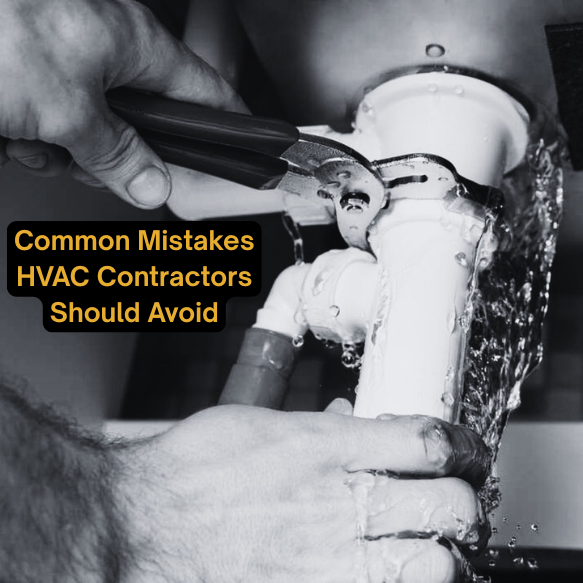
One common mistake is failing to test the float switch. Looking at it is not the same as confirming it works.
Another mistake is using vague invoice language. “Performed maintenance” does not explain what was checked or what condition the system was in.
A third mistake is failing to photograph water-related risks. Photos of rusted pans, clogged lines, overflow stains, or missing protection can be extremely valuable later.
Another mistake is not documenting declined recommendations. If the customer says no to a drain repair, pan replacement, or float switch installation, that should be clearly noted.
Finally, many companies do not train technicians on claim prevention. They train on repairs and installations, but not on documentation, customer communication, and risk management.
Action Steps for HVAC Business Owners
Start by reviewing your current service checklist. Does it include drain line inspection, pan inspection, float switch testing, and photo documentation?
Next, update your invoice templates. Make it easy for technicians to include specific notes instead of vague descriptions.
Then, train your team on customer communication. Technicians should know how to explain water damage risk without using scare tactics.
After that, create a standard photo requirement. For example, every maintenance call could include photos of the air handler, drain pan, drain line, float switch, and any visible concern.
Finally, track repeat issues. If certain homes, neighborhoods, system types, or installation details are leading to repeated drain problems, use that information to improve your process.
Why This Matters for Central Florida HVAC Contractors
In Central Florida, HVAC systems are not optional. Homeowners rely on them heavily, and contractors are expected to keep systems running safely and reliably.
That creates opportunity, but it also creates responsibility.
An HVAC company that prevents water damage claims protects its customers, its reputation, and its bottom line. It also builds trust in local communities.
Whether your company serves Polk County, Osceola County, Highlands County, Lakeland, Winter Haven, Haines City, Davenport, Kissimmee, St. Cloud, Sebring, Avon Park, Lake Placid, or nearby areas, a better water damage prevention process can help your business stand out.
FAQ: Preventing HVAC Water Damage Claims
- What is the most common cause of HVAC water damage?
One of the most common causes is a clogged condensate drain line. When the line becomes blocked, water can back up and overflow from the drain pan or air handler area.
- How can HVAC contractors reduce water damage claims?
Contractors can reduce claims by inspecting drain lines, testing float switches, checking drain pans, documenting conditions with photos, writing clear service notes, and communicating recommendations to customers.
- Why are float switches important?
Float switches help shut the HVAC system down when water rises to an unsafe level. This can prevent overflow and reduce the risk of property damage.
- Should HVAC technicians document declined repairs?
Yes. If a customer declines a recommended repair related to water damage prevention, that decision should be documented clearly on the invoice or service record.
- Why is HVAC water damage such a concern in Central Florida?
Central Florida’s heat and humidity cause HVAC systems to run often and produce a lot of condensation. That makes drain line maintenance, overflow protection, and regular inspection especially important.
Final Call to Action
Preventing water damage claims is not just a technical issue. It is a business systems issue.
If you are an HVAC contractor in Polk County, Osceola County, or Highlands County, now is the time to tighten your inspection process, improve documentation, train your technicians, and communicate water risks clearly to customers.
The companies that do this well are not only protecting homes. They are protecting their reputation, their profitability, and their long-term growth in Central Florida.