In today’s fast-paced world, technology is transforming the way businesses manage their workers’ compensation costs. From artificial intelligence (AI) to wearables, telemedicine, and virtual reality (VR), technology is not just a luxury; it’s a practical way to improve workplace safety, prevent injuries, and reduce overall workers’ comp costs. If you’re wondering how to leverage these tools to cut down on your workers’ comp costs, you’re in the right place.
In this blog, we’ll explore how different technological advancements can directly impact your workers’ comp costs, reduce claims, and help keep your workers’ comp mod (modification rate) under control. Embracing technology isn’t just about being up-to-date with the latest gadgets . It’s about making real, impactful changes to your workplace that can result in a healthier workforce and lower premiums.1. Artificial Intelligence and Predictive Analysis: Spotting Risks Early
AI Can Spot Patterns Humans Might Miss
Artificial intelligence (AI) is revolutionizing how businesses manage risk. AI uses data to spot patterns and predict where injuries are most likely to occur. This technology can analyze various factors such as job tasks, environmental conditions, and employee behavior to flag potential hazards before they result in accidents. By identifying risks early, AI helps reduce workplace injuries and ultimately lowers workers’ comp costs.
Taking Action Before Injuries Occur
Once AI identifies potential risks, businesses can take proactive measures to prevent accidents. For example, AI can suggest changes to work schedules to reduce employee fatigue or recommend safety protocol updates. When injuries are prevented before they happen, workers’ comp costs decrease because fewer claims are made, and your workers’ comp mod stays low.
Impact on Workers’ Comp Mod
Your workers’ comp mod is directly influenced by the frequency and severity of your claims. By preventing injuries early through AI-driven insights, the frequency of claims decreases. This results in a better workers’ comp mod and lower premiums. AI technology doesn’t just help with efficiency; it actively lowers workers’ comp costs by reducing claims.
2. Telemedicine: Faster, Cheaper, and More Effective Care
Speed Matters in Workers’ Comp Claims
When an employee is injured, the speed at which they receive medical care is crucial. The longer it takes for an injured worker to see a doctor, the higher the costs typically rise. With telemedicine, employees can connect with a healthcare professional immediately, even from the job site. This reduces the time spent waiting for treatment, which can lower workers’ comp costs.
Lower Costs and Faster Recovery
Telemedicine allows workers to receive faster care without the need for an in-person visit to a doctor’s office. This can result in reduced medical expenses, faster prescriptions, and quicker follow-ups. The quicker an employee is treated, the sooner they can return to work. This, in turn, reduces indemnity costs (wages paid during recovery), lowering the overall workers’ comp costs.
Impact on Workers’ Comp Mod
Faster treatment not only results in a better outcome for the employee but also minimizes the impact on your workers’ comp mod. A quick recovery leads to fewer missed workdays, fewer wage replacement claims, and ultimately a lower mod. Telemedicine is a game-changer in controlling workers’ comp costs and improving workers’ recovery times.
3. Wearables: Real-Time Monitoring to Prevent Injuries
Smart Devices That Monitor Worker Conditions
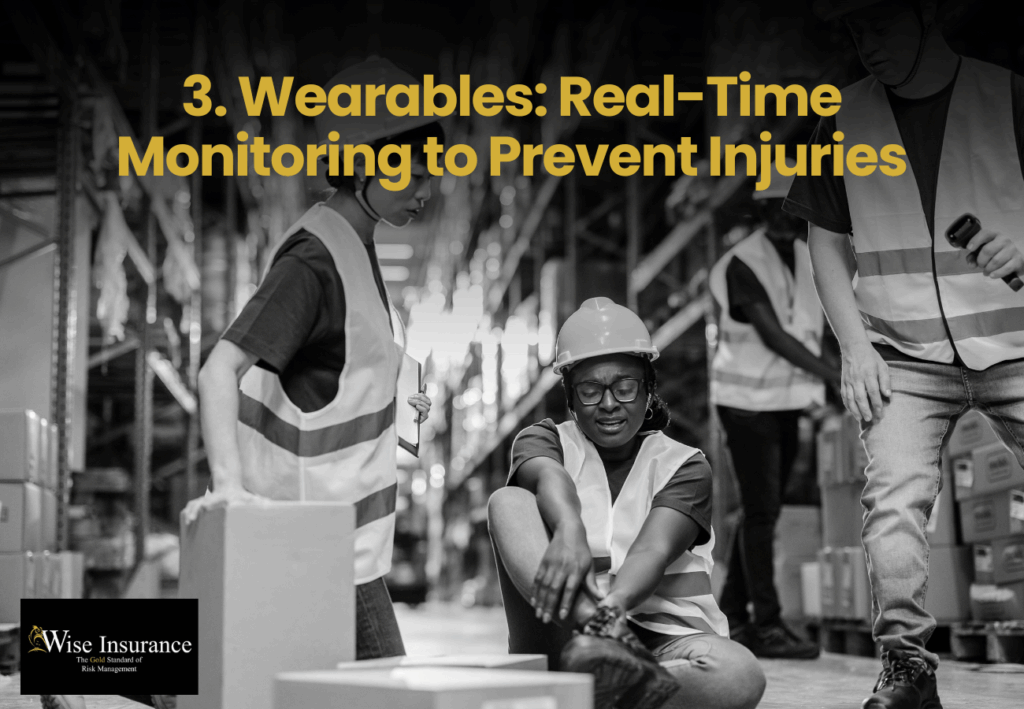
Wearables like smart helmets, vests, and wristbands are becoming essential tools for monitoring employee health and safety in real-time. These devices can track fatigue, posture, and environmental conditions like heat and stress. By continuously monitoring these factors, wearables can alert management before an injury occurs, such as notifying you before an employee collapses from heat exhaustion or strains their back from improper lifting techniques.
Proactive Injury Prevention
Wearables provide real-time data, allowing employers to take immediate action to prevent injuries. If an employee is showing signs of fatigue or unsafe behavior, managers can intervene before the situation escalates into an injury. By preventing injuries in the moment, wearables can significantly reduce the frequency of claims, which directly lowers workers’ comp costs.
Reducing Frequency and Severity of Claims
Reducing the frequency and severity of injuries is one of the most powerful ways to control your workers’ comp mod. Wearables help keep employees safe by preventing accidents before they happen, which leads to fewer and less severe claims. This translates to lower workers’ comp costs and a more favorable mod for your business.
4. Virtual Reality (VR): Immersive Training and Injury Rehabilitation
Enhancing Safety Training with VR
Virtual reality is being used to provide immersive, hands-on training for employees. Rather than just attending lectures or watching videos, employees can experience simulated safety scenarios through VR. This allows them to learn safety procedures in a more engaging and effective way, which reduces the likelihood of accidents on the job.
Rehabilitation and Recovery through VR
In addition to training, VR is also being used to help rehabilitate injured employees. Virtual reality rehabilitation programs help employees recover by simulating real-life tasks and movements. This promotes faster healing and reduces the time employees need to spend away from work, further reducing workers’ comp costs.
Impact on Workers’ Comp Mod
Training employees effectively and assisting with injury rehabilitation helps prevent accidents and accelerates recovery. Fewer injuries and quicker recoveries mean a lower workers’ comp mod and, in turn, lower workers’ comp costs. VR not only helps with safety but also contributes to the overall health and efficiency of your workforce.
5. Blockchain: Transparency and Fraud Prevention in Claims Handling
Blockchain for Secure and Transparent Claims
Blockchain technology is transforming the way workers’ comp claims are processed. By securely storing and tracking records, blockchain ensures that all parties have access to accurate, transparent information. This reduces the chances of fraud and ensures that claims are handled more efficiently and securely.
Faster Claims Resolution
With blockchain, the claims process becomes faster and more streamlined. Since all records are secure and easily accessible, claims are processed more quickly. Faster claims resolutions mean less downtime for injured employees and fewer administrative costs, ultimately reducing workers’ comp costs.

Preventing Fraud and Reducing Disputes
Fraudulent claims and disputes over claims can significantly increase workers’ comp costs. Blockchain technology reduces the likelihood of fraud by ensuring that records are tamper-proof and trustworthy. This transparency helps resolve claims faster, which lowers overall costs and protects your workers’ comp mod from being inflated by fraudulent or disputed claims.
6. Technology’s Role in Reducing Workers’ Comp Mod and Premiums
Technology Prevents Injuries Before They Happen
From AI to wearables, technology is designed to prevent injuries before they occur. By identifying risks early and offering immediate solutions, businesses can reduce the frequency of injuries and claims. This, in turn, leads to a lower workers’ comp mod, which means reduced premiums for your business.
Improved Claims Management
Technology enhances claims management by making the process faster, more accurate, and transparent. Faster claims resolution and better tracking of injury details lead to reduced costs. When claims are handled efficiently, your workers’ comp mod remains favorable, keeping premiums low.
Lower Premiums Through Technology
As technology helps reduce the number of injuries and improves claims management, it directly impacts your workers’ comp costs. Fewer claims and lower mod scores result in lower premiums, giving your business a significant financial advantage. Embracing technology is one of the most effective ways to reduce workers’ comp costs over the long term.
7. The Future of Workers’ Comp: Embracing Technology for Lower Costs
The Role of Technology in Workers’ Comp Costs
Technology is not just about efficiency; it’s about preventing injuries, improving claims handling, and lowering workers’ comp costs. AI, wearables, telemedicine, VR, and blockchain are all playing critical roles in making workplaces safer and reducing insurance premiums. By embracing these technologies, businesses can create a safer environment and lower workers’ comp costs.
The Long-Term Benefits of Technology
Investing in technology for safety and claims management offers long-term financial benefits. By reducing the frequency and severity of claims, your company can see lower premiums for years. This makes technology a smart investment in the health and safety of your employees, as well as your bottom line.
Partner with Wise Insurance for Technology Integration
At Wise Insurance, we specialize in helping businesses integrate technology into their workers’ comp strategy. From AI to wearables, we can help you leverage these tools to reduce your workers’ comp costs and improve workplace safety. Partner with us to stay ahead of the curve and lower your premiums.